

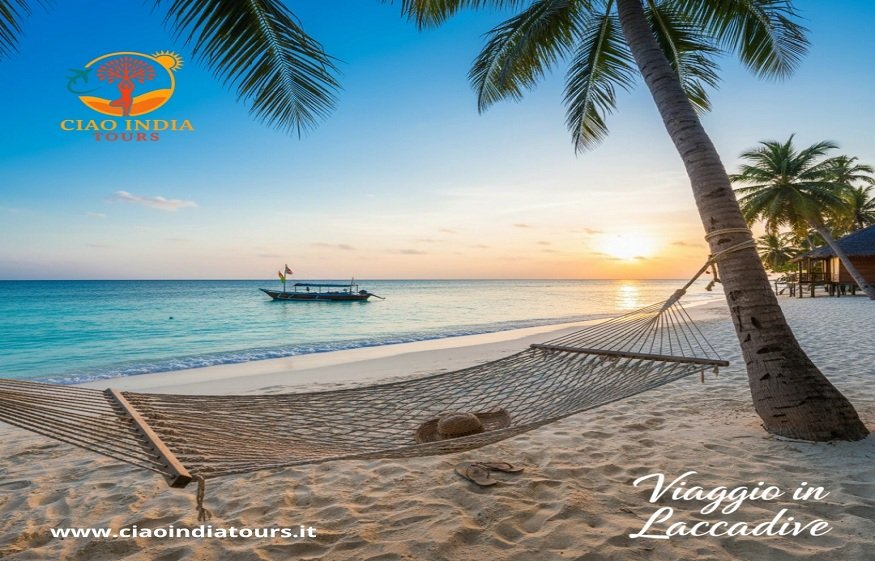
Imagine stepping away from the beach and, in the span of two breaths, finding yourself surrounded by an underwater world teeming with life. In the Lakshadweep Islands, this is not a dream: it is the reality of every day. The Indian archipelago, hidden in the Arabian Sea west of Kerala, harbours some of the most pristine coral reefs in the Indian Ocean, directly accessible from the shore. If you are dreaming of an authentic Vacanza barriera corallina India, away from mass tourism, the Lakshadweep Islands are the answer that the sea has been whispering for centuries.
A marine paradise within swimming distance
The Lakshadweep Islands are not a destination like any other. They are 36 coral islands, of which only about ten are open to tourism, with a local population that has lived in harmony with the sea for generations. Here, snorkelling does not require expensive boats or long crossings: On many islands, such as Bangaram and Kadmat, the coral reef begins just a few meters from the shore. travel insurance.
No certification is needed to experience this wonder: just a mask, snorkel, and the willingness to be amazed. Many resorts lend equipment and offer local guides who know every nook and cranny of the reef, ready to point out the best spots to observe marine life without disturbing the ecosystem.
Why choose the Lakshadweep Islands for snorkelling
While destinations like the Maldives or the Andaman Islands attract crowds, the Lakshadweep Islands remain a well-kept secret. The limited number of visitors, combined with strict environmental protection, has preserved the health of the corals extraordinarily. Here you won’t find bleached or plastic-choked reefs: the sea is clear, the corals are alive and colourful, and the biodiversity is as rich as it is rare.
Read More: Enjoy Smooth Group Travel with Online Train Food
Another unique advantage? The possibility of snorkelling without a boat. On many islands, the reef is “on the shore”: you leave the resort, walk a few meters on the white sand, and dive directly into the blue. This not only saves time and money, but also makes the experience more intimate and spontaneous.
The best time to visit the Lakshadweep Islands is from October to May, with January to March being the ideal peak: dry weather, calm seas, and maximum visibility. During the monsoon (June-September), underwater activities are often suspended, so plan your Viaggio in Laccadive carefully to catch the moment when the sea shows itself in its most generous form.
A luxury experience, but with an authentic soul
If your dream is a luxury trip to the Lakshadweep Islands, here luxury is not just in ocean-view suites or gourmet meals: it is in the exclusivity of a private experience, away from the crowds. Resorts like the Bangaram Island Resort offer bungalows overlooking the lagoon, beach dinners under the stars, and the possibility to organise private boat excursions to the less accessible islands.
But the true luxury in the Laccadives is time. Time to observe a turtle grazing among the corals. Time to listen to the silence interrupted only by the rustle of the waves. Time to connect with a sea that is not in a hurry, because here time seems to slow down, as those who have experienced it have written.
A luxury trip to the Lakshadweep is not just about comfort, it is a total immersion in a world where nature is the protagonist and man is a respectful guest. And if you’re looking for an even more exclusive experience, some tour operators offer personalised packages that include seaplane transfers, private guides, and access to unspoiled islands where no other tourists set foot.
Practical tips for making the most of snorkelling in the Maldives
- Equipment: Bring your mask and snorkel, if possible, even though many resorts provide them. A well-fitting mask makes a difference, especially if you have a beard or distinctive features.
- Sunscreen: Use biodegradable sunscreens to avoid harming the corals. The sun here is strong, but the sea deserves respect.
- Times: Early morning and late afternoon are the best times for snorkelling: the light is softer, the visibility is excellent, and marine life is more active.
- Respect for the environment: Do not touch the corals, do not chase the fish, do not collect anything. The reef is a fragile ecosystem and must be protected.
- Safety: Even if the waters are calm, don’t stray too far from the shore without a guide. The currents can change, and caution is never too much.
What to expect from marine life
The Lakshadweep Islands are a natural aquarium. Among the living corals swim butterfly fish, parrot fish, barracudas, and often, green turtles grazing peacefully. If you’re lucky, you might spot manta rays or small reef sharks, harmless and curious. The biodiversity is such that every swim is a discovery: no two days are the same, no two dives tell the same story. travel insurance.
Read More: Why This Is Not a Coast to Rush
For those already PADI certified, the reef around Bangaram also offers dives accessible directly from the resort, with the possibility to explore caves, coral gardens, and even shipwrecks. But even without a certification, snorkelling here is a complete, rich, and memorable experience.
Why the Lakshadweep Islands are the future of sustainable tourism
In an era where mass tourism threatens the most fragile ecosystems, the Lakshadweep Islands represent an alternative model: few visitors, strict rules, respect for nature and local communities. Visiting these islands means supporting an economy that does not sacrifice the sea for profit, but protects it as a primary resource.
And if you are looking for a coral reef vacation in India that is also an act of responsibility, the Lakshadweep Islands are the right choice. Here, every tourist is a temporary guardian of a paradise that must remain unspoiled for future generations.
FAQ – Frequently Asked Questions about Snorkelling and Travelling to the Lakshadweep Islands
1. Is it possible to go snorkelling in the Lakshadweep without experience?
Yes, absolutely. The lagoons of the Lakshadweep, especially in Bangaram and Kadmat, are shallow, calm, and safe, perfect even for beginners. Many resorts offer guidance and equipment.
2. What is the best time to visit the Lakshadweep Islands for snorkelling?
The ideal period is from October to May, with January-March being the peak for visibility and sea conditions. During the monsoon (June-September), underwater activities are often suspended.
3. Do you need a boat to reach the coral reef?
No, on many islands the reef starts just a few meters from the beach. In Bangaram, for example, you can go snorkelling directly from the shore without needing a boat.
4. What kind of marine life can be spotted?
Butterfly fish, parrotfish, barracuda, sea turtles, and, in some cases, eagle rays or small reef sharks. The biodiversity is rich and well-preserved. travel insurance.
5. Is a visa required to visit the Lakshadweep Islands?
Yes, a special permit is required to access the Lakshadweep Islands, which is usually arranged by the resort or tour operator at the time of booking the trip. travel insurance.
An invitation to be surprised
The Lakshadweep Islands are not just a destination: they are an experience that changes you from within. It is the sea that welcomes you like an old friend, it is the barrier that tells you stories of resilience and beauty, it is the silence that makes you feel alive. If you are looking for a Coral Reef Vacation in India that is also a journey for the soul, the Lakshadweep Islands are waiting for you. And when you return, you will bring back not just photos, but a piece of that unforgettable blue.